The best zoos around the world where you can see Mouflon.
 #1
#1
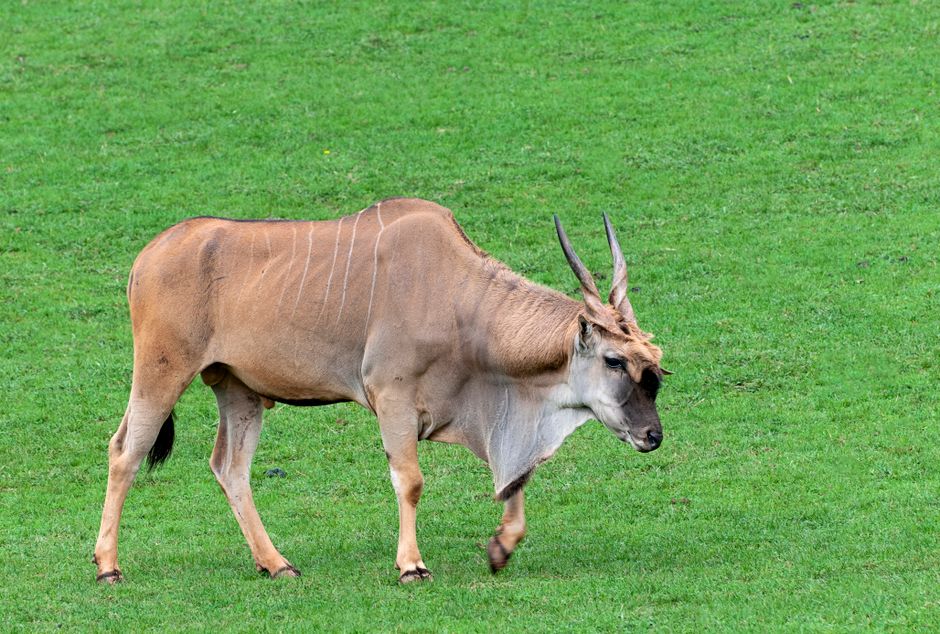
Cabárceno, Spain
Cabárceno Natural Park, located near Santander in Cantabria, Spain, is a unique wildlife park set in a former open-pit mining area. Established on the site of an old iron mine, the park has been transformed into a vast natural reserve where over 120 animal species from five continents live in semi-freedom. Unlike traditional zoos, animals at Cabárceno inhabit large enclosures that closely resemble their natural habitats, allowing for more natural behaviors and interactions. Visitors can explore the park by car or on foot, following a network of roads and paths that wind through dramatic landscapes of rocky outcrops, lakes, and meadows. The park is renowned for its commitment to conservation and breeding programs, and it regularly hosts educational and scientific events. Guests can expect a memorable experience observing animals such as elephants, gorillas, rhinos, and exotic birds in a setting that blends nature, history, and wildlife.
 #2
#2
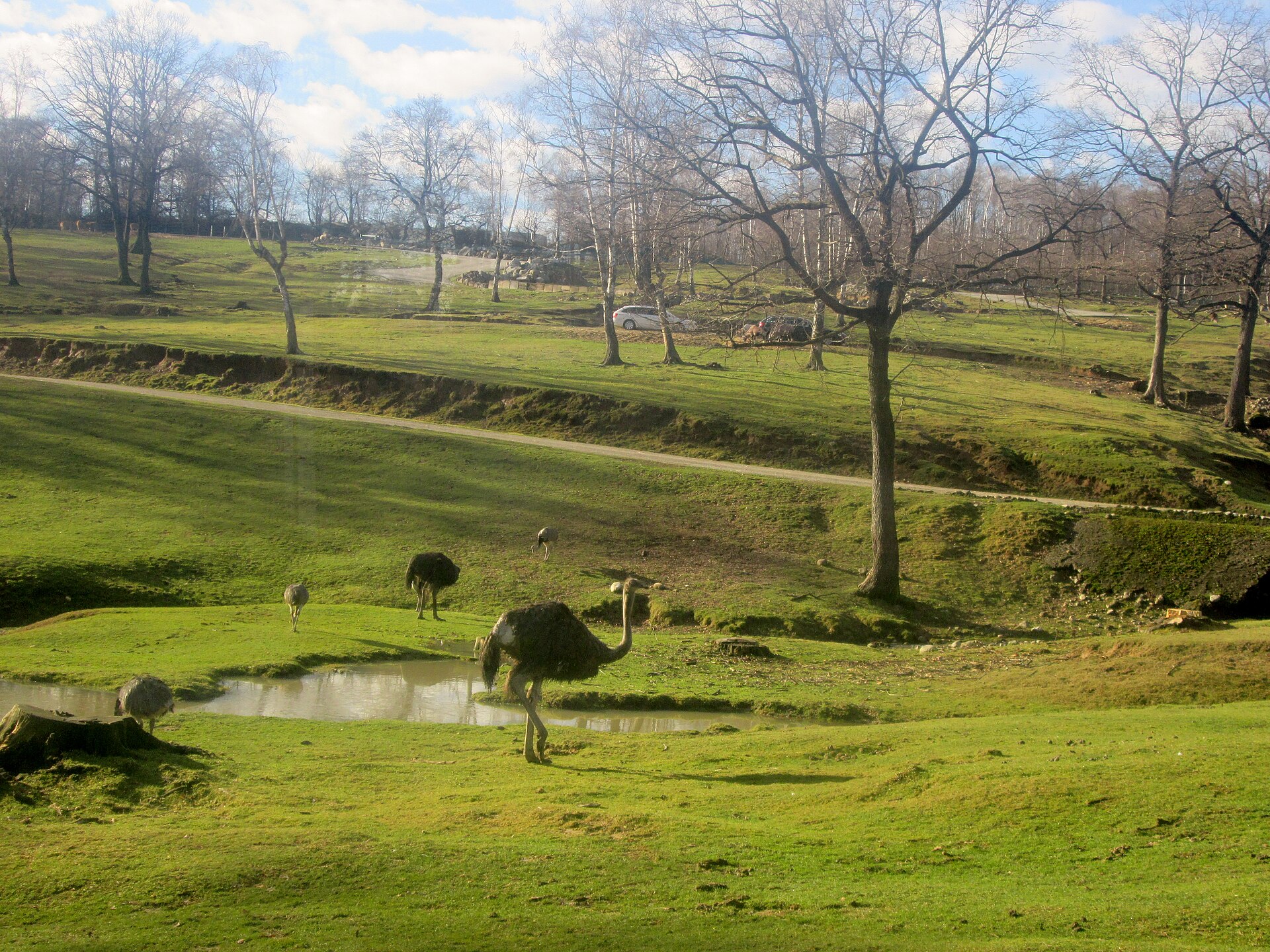
Fasano, Italy
Zoo Safari Fasanolandia, located in Fasano, Puglia, Italy, is recognized as the second largest wildlife park in Europe. Established as a modern zoological garden, it plays a significant role in the conservation of endangered species. The zoo spans an impressive 140 hectares, offering a vast natural oasis where animals from over 200 species live in conditions that closely resemble their natural habitats. Visitors can expect an immersive experience, with opportunities to observe a wide variety of animals up close, including marine mammals like sea lions, seals, and penguins. The park is also family-friendly, providing educational activities and attractions for children, as well as an adjacent amusement park with more than 20 rides.
 #3
#3
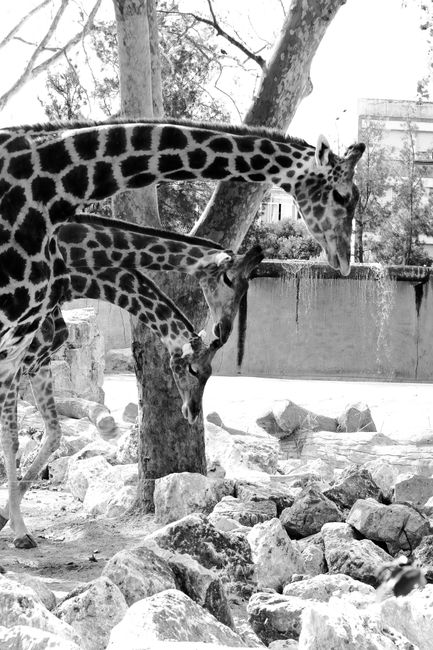
Rome, Italy
Bioparco di Roma is a 17-hectare zoological garden located within the historic Villa Borghese estate in Rome, Italy. Established in 1911, it is the oldest zoo in Italy and was originally designed to entertain and amuse the public, rather than serve purely scientific purposes. The zoo was conceived by Carl Hagenbeck, who pioneered the use of ditches and pits instead of bars, creating more naturalistic enclosures for the animals. Over the years, Bioparco di Roma has expanded and renovated its facilities, including the addition of a large aviary and a reptile house. Today, visitors can expect to see over 1,100 animals representing more than 220 species, including mammals, birds, and reptiles, in a lush, green setting.
 #4
#4
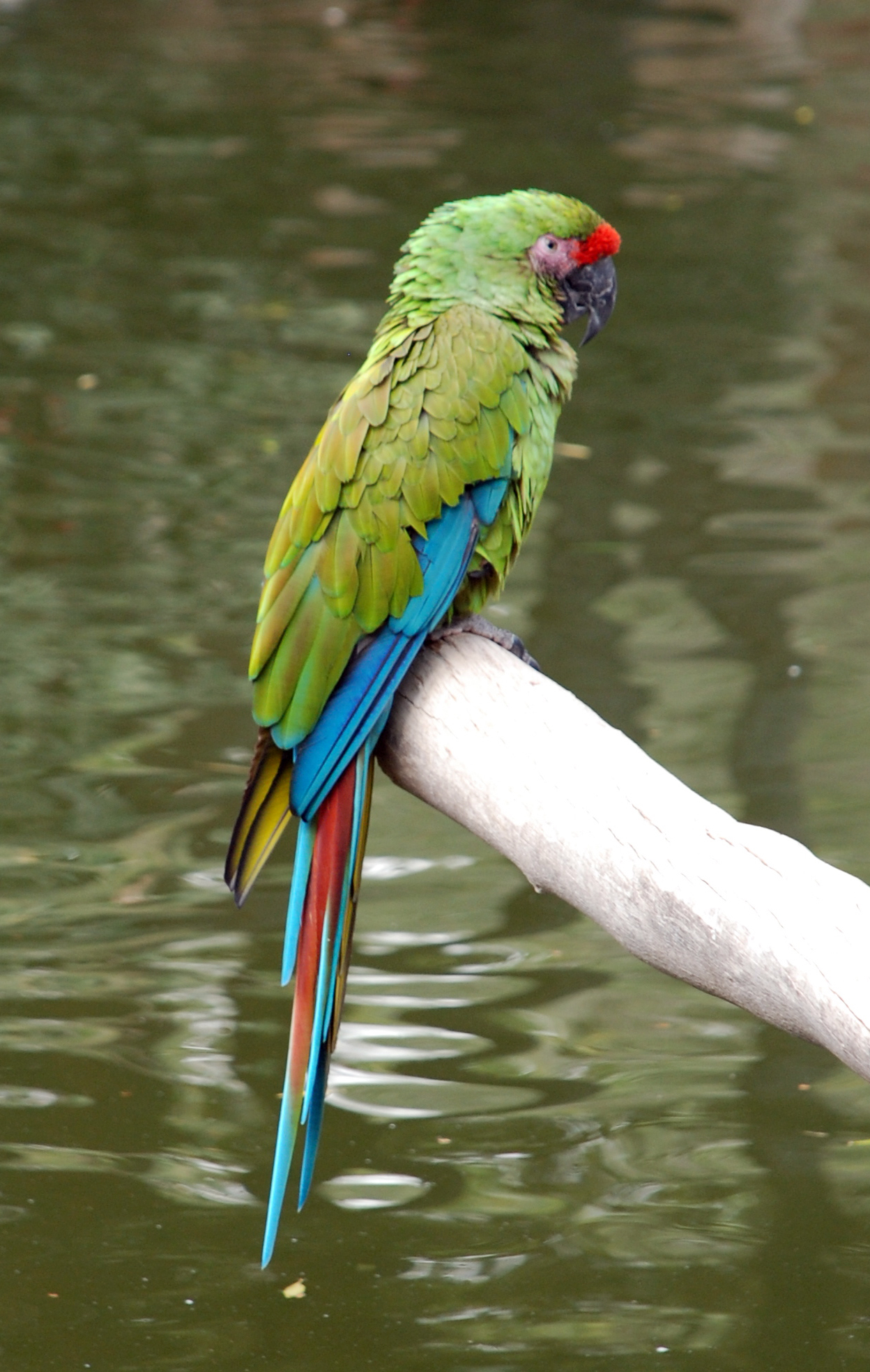
San Martín de la Vega, Spain
Safari Park Madrid, located in Aldea del Fresno near Madrid, is a unique wildlife park where visitors can observe a wide variety of animals in semi-freedom from the comfort of their own vehicles. Established in 1978, the park was inaugurated by the renowned naturalist Dr. Félix Rodríguez de la Fuente. It is known for being the first place in Spain, and likely in Europe, to offer a free-flight bird of prey exhibition. The park features large mammals such as rhinos, giraffes, elephants, hippos, zebras, bison, black bears, baboons, lions, and tigers, as well as a diverse collection of birds and reptiles. Visitors can also enjoy additional attractions like mega-slides, a bouncy castle, and a swimming pool during the summer months. The park serves as a rescue center for animals confiscated from illegal trafficking or invasive species, providing them with a safe and educational environment.
 #6
#6
The Toronto Zoo is one of the largest zoos in Canada, offering visitors a chance to explore a diverse collection of animals from around the world. Established in the 20th century, the zoo is known for its expansive grounds and immersive exhibits that replicate natural habitats. Visitors can expect to see a wide variety of species, from mammals and birds to reptiles and amphibians, housed in thoughtfully designed enclosures. The zoo frequently hosts special events, educational talks, and unique experiences such as guided tours and behind-the-scenes encounters. With a focus on both entertainment and education, the Toronto Zoo provides a memorable outing for families, animal lovers, and tourists alike.
 #8
#8
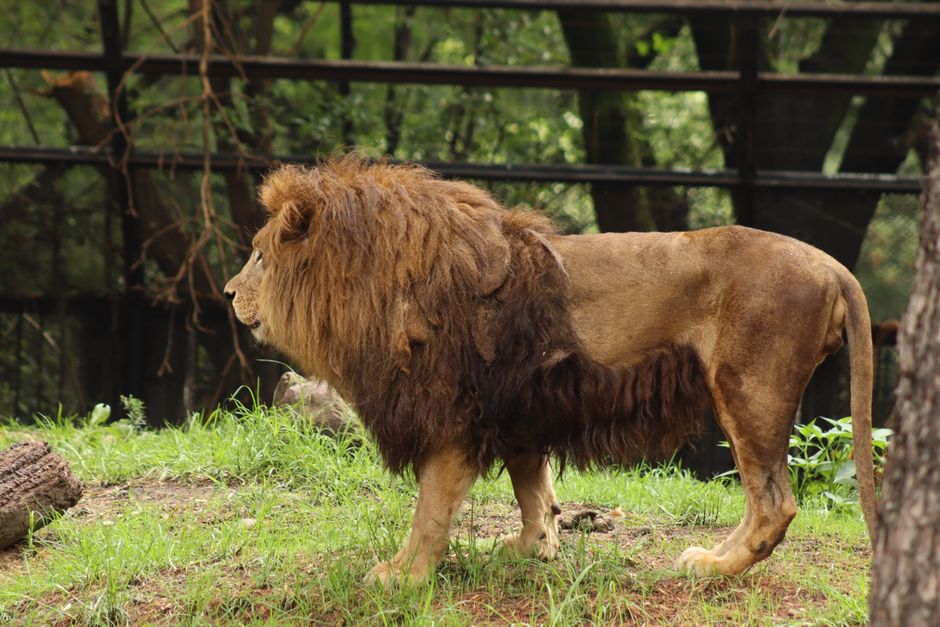
Mexico City, Mexico
Chapultepec Zoo, officially known as Zoológico de Chapultepec "Alfonso L. Herrera", is one of the most historic and renowned zoos in Mexico. It was founded on October 27, 1924, by the naturalist Alfonso Luis Herrera during the final days of President Álvaro Obregón's administration. The zoo is located in the first section of Chapultepec Park, a major urban green space in Mexico City. Visitors can expect to see around 2,000 animals, including the famous giant panda Xin Xin, who is the last surviving giant panda in Latin America and a direct descendant of the legendary panda Tohui. The zoo is a popular destination for both locals and tourists, offering free admission and a wide variety of wildlife habitats.
 #9
#9
Córdoba, Spain
Zoo de la Ciudad de Córdoba, officially known as Centro de Conservación Zoo Córdoba, is one of the earliest zoos established in Spain. It began as a small zoo of 8,000 square meters in June 1967 and was officially inaugurated on May 15, 1968, coinciding with the first Congress of the Iberian Union of Zoos. Over the years, it has evolved into a conservation center spanning just over 4.5 hectares. The zoo is home to more than 500 animals representing over 100 different species, including mammals, birds, and reptiles. Visitors can expect to see a diverse collection of fauna from Africa, America, Asia, Australia, and Europe, as well as native Iberian species. The zoo is dedicated to scientific research, species conservation, and environmental education, making it a significant institution for wildlife preservation in the region.

